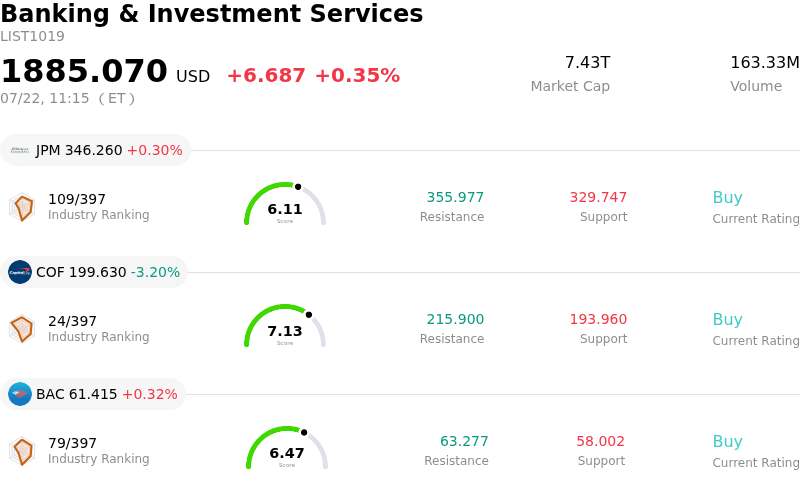
$Capital One Financial Corp(COF-N)$ (COF) moved down by 3.48%. The Banking & Investment Services sector is up by 0.35%. The company underperformed the industry. Top 3 stocks by turnover in the sector: JPMorgan Chase & Co (JPM) up 0.32%; Capital One Financial Corp (COF) down 3.48%; $Bank of America Corp(BAC-N)$ (BAC) up 0.32%.
What is driving Capital One Financial Corp (COF)’s stock price down today?
Capital One Financial is experiencing notable downward pressure today following its latest quarterly earnings report, which highlighted several areas of concern for institutional investors. The primary driver appears to be a contraction in the net interest margin as the cost of interest-bearing deposits continues to rise faster than the yields on its loan portfolio. This margin compression, coupled with a higher-than-expected provision for credit losses, suggests that the bank is bracing for a more challenging credit environment for the average U.S. consumer.
Macroeconomic data released earlier this week has added to the bearish sentiment. With recent labor market reports showing signs of cooling and persistent inflation in non-discretionary sectors, there are growing fears that credit card delinquency and charge-off rates may exceed historical averages in the coming quarters. As a major player in the subprime and near-prime credit card segments, Capital One is particularly sensitive to shifts in household disposable income and overall consumer debt sustainability.
Furthermore, updates regarding the pending acquisition of Discover Financial Services continue to inject uncertainty into the stock. Reports of intensified regulatory scrutiny from the Department of Justice and the Federal Reserve have led market participants to price in a higher probability of deal delays or significant divestiture requirements. Investors typically demand a higher risk premium for stocks undergoing complex, large-scale mergers, especially when the path to regulatory approval becomes increasingly opaque.
Brokerage sentiment has shifted accordingly, with several analysts revising their price targets downward today. The consensus among researchers points to a more cautious outlook on loan growth and a potential slowdown in the pace of share buybacks as the company prioritizes capital preservation. This shift in institutional positioning, combined with technical breaches of key support levels during the morning session, has accelerated the intraday selling pressure across the consumer finance sector.
Technical Analysis of Capital One Financial Corp (COF)
Technically, Capital One Financial Corp (COF) shows a MACD (12,26,9) value of 0.027, indicating a buy signal. The RSI at 56.572 suggests neutral condition and the Williams %R at 32.361 suggests buy condition. Please monitor closely.
Media Coverage of Capital One Financial Corp (COF)
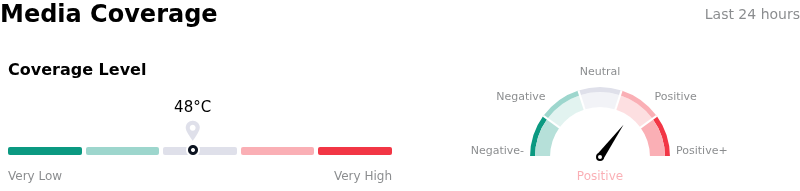
In terms of media coverage, Capital One Financial Corp (COF) shows a coverage score of 48, indicating a moderate level of media attention. The overall market sentiment index is currently in bullish zone.
Fundamental Analysis of Capital One Financial Corp (COF)
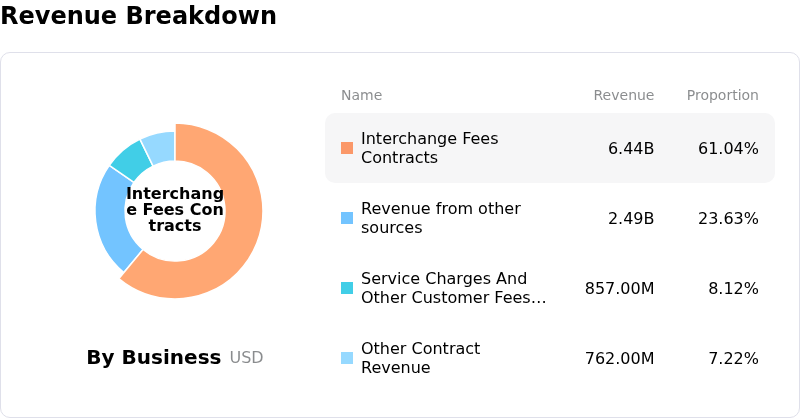
Capital One Financial Corp (COF) is in the Banking & Investment Services industry. Its latest annual revenue is $51.66B, ranking 7 in the industry. The net profit is $2.18B, ranking 38 in the industry. Company Profile
Over the past month, multiple analysts have rated the company as Buy, with an average price target of $257.91, a high of $310.00, and a low of $208.20.
More details about Capital One Financial Corp (COF)
Company Specific Risks:
- Negative Operational Leverage: Second-quarter 2026 financial results revealed that operating expenses rose by nearly 7%, significantly outstripping the 4% growth in revenue. This imbalance resulted in a marginal 0.6% increase in pre-provision earnings, suggesting that the recent bottom-line beat was disproportionately supported by a $1.1 billion reduction in credit loss provisions rather than core organic growth.
- Strategic Integration Uncertainty: Following the multi-billion dollar acquisitions of Discover and Brex, elevated integration costs continue to compress profit margins without the provision of updated synergy targets or a definitive timeline for full system migration. The lack of quantified execution milestones has led to a muted market reaction, as investors remain skeptical of the bank's ability to quickly convert these acquisitions into sustainable network revenue.
- Deteriorating Credit Quality Metrics: Monthly credit quality data filed in an 8-K on July 21, 2026, showed 30+ day performing delinquency rates remaining elevated at 3.39% for domestic credit cards and 4.32% for consumer auto loans. Analysts have expressed concern that these rates may accelerate in the second half of the year as consumer liquidity buffers are exhausted by persistent inflationary pressures and the expiration of seasonal tax refund benefits.
- Regulatory and Legal Liabilities: Despite the recent dismissal of an interest rate lawsuit, the bank faces an ongoing legal challenge from the FDIC regarding the alleged misreporting of uninsured deposits and a related $99 million underpayment in special assessments. Additionally, persistent regulatory scrutiny concerning credit card yield caps and late fee limitations continues to pose a significant risk to the company's long-term net interest margin sustainability.
Find out more
Comments